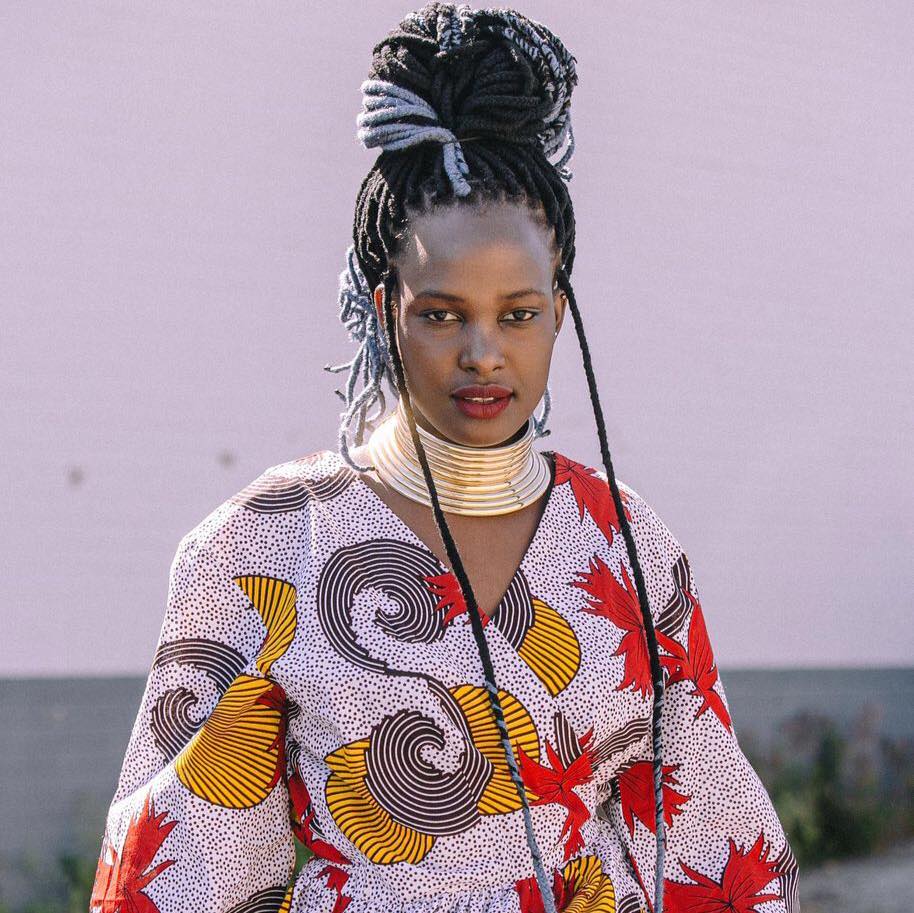
by Nina Kawusi
After the fall of Kabul in August 2021, my life, like the lives of thousands of Afghans, was unrecognizable. The Taliban’s return to power was not an abstract political event, it was a direct threat to my existence, my family, and my future. Overnight, the work I had devoted myself to, the friends I cherished, and the life I had carefully built evaporated under fear, chaos, and uncertainty. Afghan journalists, women’s rights defenders, former government employees, minorities, and entire families were forced to flee under imminent threat of violence. For many, nearby countries offered the first stop, but often the welcome was lukewarm, resources scarce, and the borders increasingly perilous.
Some of us, myself included, made the journey farther, across continents and oceans, to a country that seemed impossibly distant: Brazil. A nation we barely knew, with a language we did not speak, and a culture vastly different from our own. Yet Brazil offered something that few others did at that moment: a lifeline. On September 3, 2021, the Brazilian government issued Interministerial Ordinance No. 24/2021, granting humanitarian visas to Afghan nationals, stateless persons, and others affected by the instability and human rights violations in Afghanistan. For thousands of us, it was a beacon of hope—a legal recognition that our lives mattered and that we could rebuild somewhere safe. I was among the fortunate few who made it.
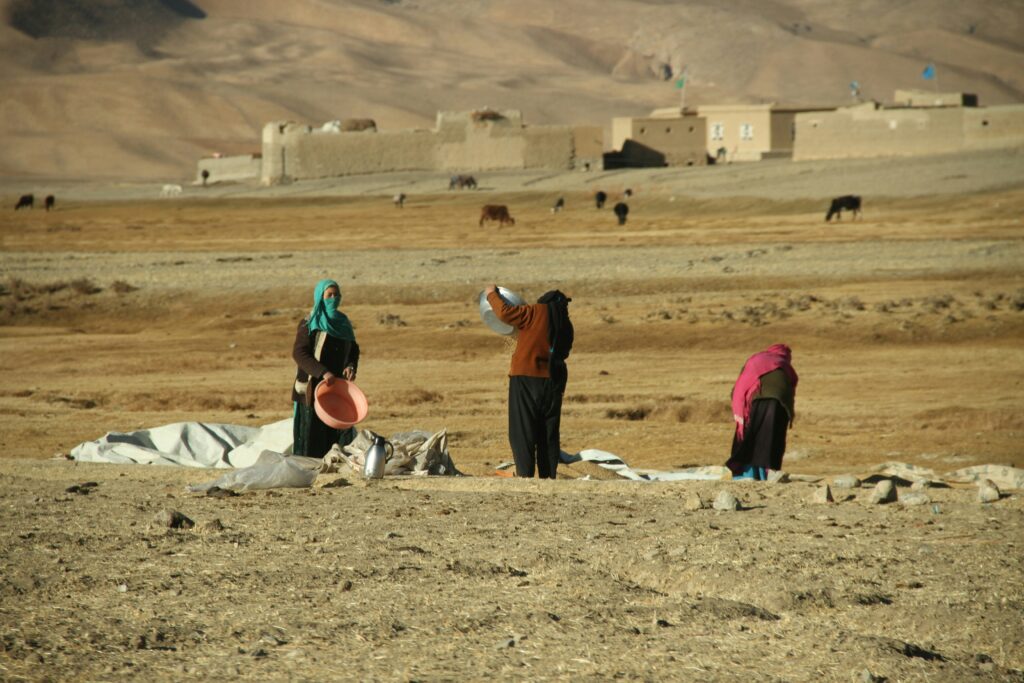
Women in Afghanistan. Photo by Farid Ershad on Unsplash
But stepping onto Brazilian soil was only the beginning of another challenge. Safety, I soon realized, did not automatically translate into stability, belonging, or dignity. The first weeks were a blur of temporary accommodations, paperwork, and isolation. Unlike other migrant communities, Afghans in Brazil arrived largely without a social, cultural, or economic network. There was no Afghan diaspora to guide us, no familiar faces to help us navigate this new country. Some families were placed in states hundreds of kilometers from any Afghan community—Minas Gerais, Acre—where they knew no one and understood little of their surroundings. For many, this geographic displacement compounded the trauma we already carried.
Language became the most immediate barrier. Portuguese, beautiful and expressive, was completely foreign. Simple daily tasks—buying food, visiting a doctor, enrolling children in school, became exercises in anxiety and improvisation. Google Translate helped, but it was no substitute for fluency, and mistranslations could mean serious misunderstandings with bureaucrats or landlords. Without the ability to communicate, many of us felt invisible, excluded, and powerless. Language was not just a tool; it was a gatekeeper, a barrier that kept us on the margins.
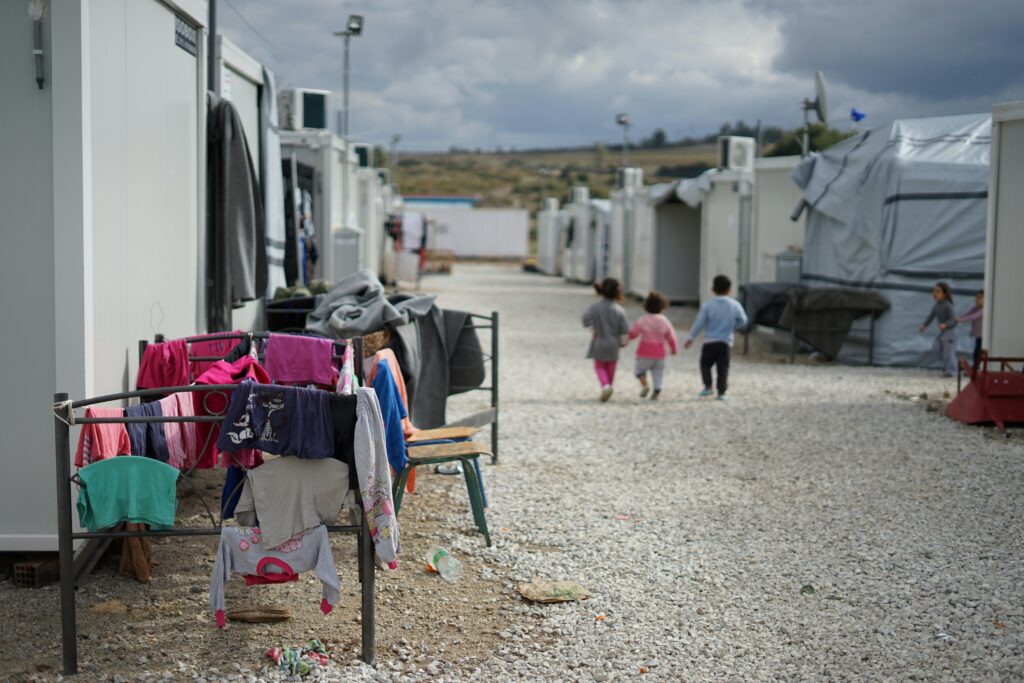
Photo by Julie Ricard on Unsplash
Bureaucracy compounded these challenges. Residency documents, work permits, tax numbers—everything required navigation through slow, opaque, and often contradictory systems. Some local nonprofits stepped in to help, but the demand far outstripped the support available. Many Afghan migrants remain in a state of legal limbo months, even years after arrival, unable to work formally, plan for the future, or rebuild the lives stolen from them. Employment, when available, often bears no resemblance to our previous careers or education. Engineers become delivery drivers. Teachers become domestic workers. Doctors become assistants. Every step of professional reinvention carries the weight of frustration, wasted talent, and shattered identity.
And yet, these are not just professional losses, they are emotional ones. Forced migration does not erase trauma; it intensifies it. Many of us arrived in Brazil carrying not only our belongings, but the memories of terror: threats, persecution, the loss of loved ones, and the collapse of social and professional networks. Isolation, economic precarity, and uncertainty about the future amplify mental health challenges, yet access to culturally appropriate psychological support remains severely limited.
The challenges extend to the community. Unlike migrants from other nations with decades-long diasporas in Brazil, Afghan arrivals often have no network to turn to. Every question—how to find housing, navigate public services, enroll children in school, is a new battle. Cultural differences, unfamiliar norms, and the absence of guidance create layers of stress that linger long after we step off the plane. For many, the promise of safety feels fragile, a temporary respite before another uncertain journey begins.
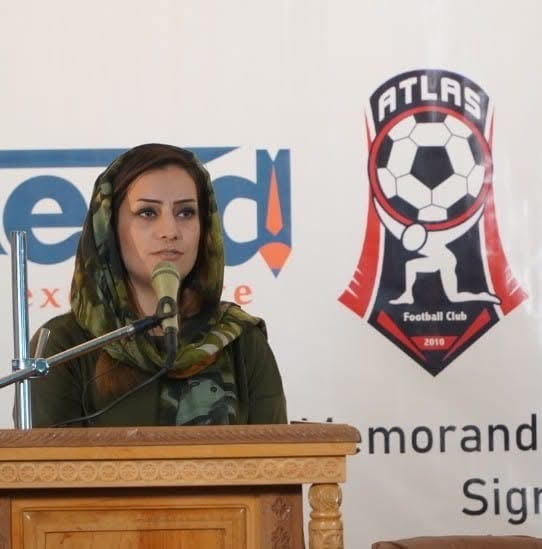
Nina Kawusi
Some Afghans, faced with these barriers, attempt secondary migration. Driven by desperation and hope for opportunity, they take irregular and often dangerous routes to North America, exposing themselves to exploitation, human trafficking, and violence. It is a cruel irony: fleeing one life-threatening situation only to face another. This is the human cost of incomplete humanitarian policies.
Yet despite these challenges, there is resilience. Afghan women, men, and families in Brazil are learning Portuguese, pursuing education, seeking work, and slowly building communities. Children attend school, adapt to new friendships, and begin to imagine futures far from the constant fear they left behind. Slowly, we carve spaces for ourselves in a country that, while foreign, has offered the possibility of a second chance.
Brazil’s humanitarian visa program was a vital first step. But humanitarianism is not measured in papers or stamps, it is measured in the ability to live, work, and belong. Safety without support is fragile. Protection without inclusion is temporary. True integration requires investment: structured language education, pathways to meaningful employment, recognition of professional credentials, culturally appropriate mental health services, and legal support. It requires listening to migrants themselves, valuing their input, and including them in the design of policies that shape their futures.
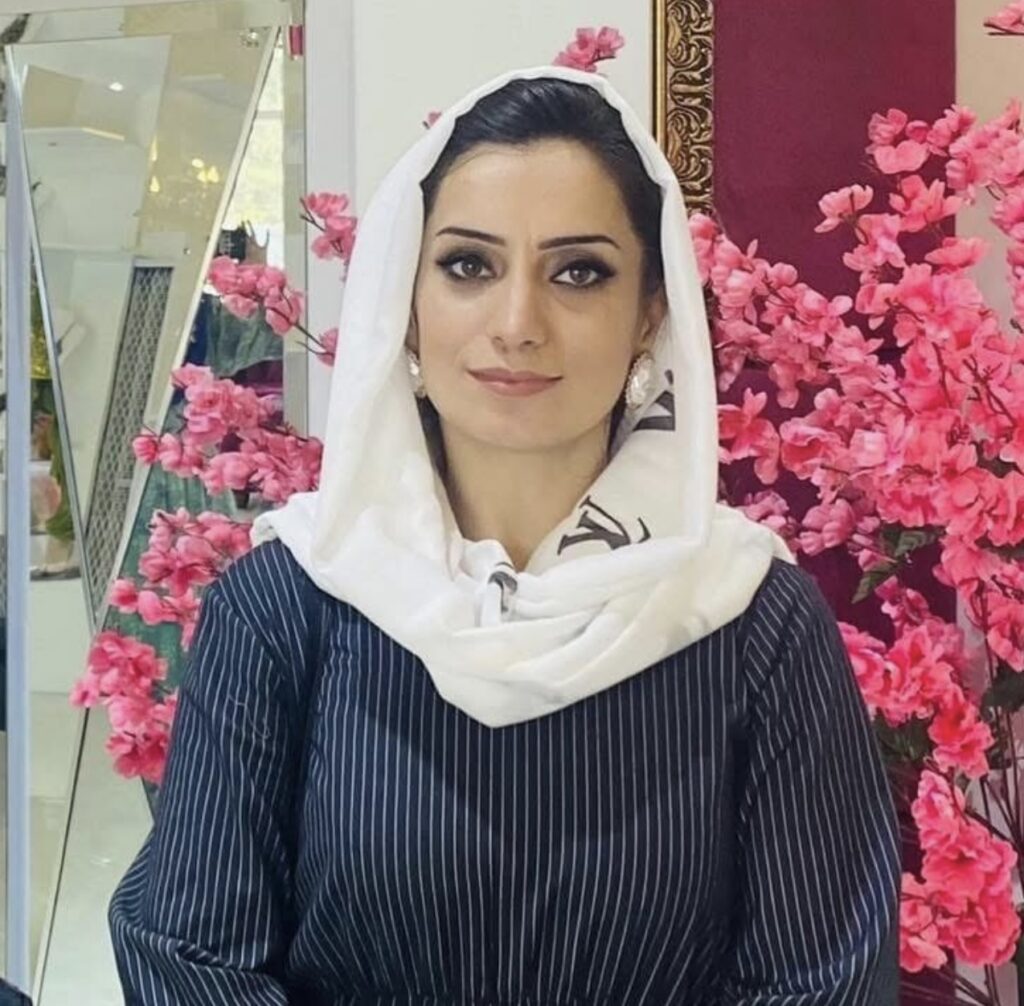
Our presence in Brazil is not an anomaly. It is part of a global reality shaped by conflict, inequality, and political failure. How Brazil and the world respond to this reality will define not only the futures of displaced populations, but the moral credibility of the international system itself. Human dignity begins not at the airport, not with a visa, but in the ability to live fully, contribute meaningfully, and feel truly at home. Until that standard is met, humanitarian visas remain promises half kept, hope offered in good faith, and yet undone by neglect.
For me, Brazil became a second chance, a place to rebuild, to hope, and to grow despite everything I lost. But my story is not complete. It is a story shared by thousands of Afghans, still navigating uncertainty, still striving to belong, still waiting for the world to match generosity with genuine inclusion.
This article was originally published at MigraMundo
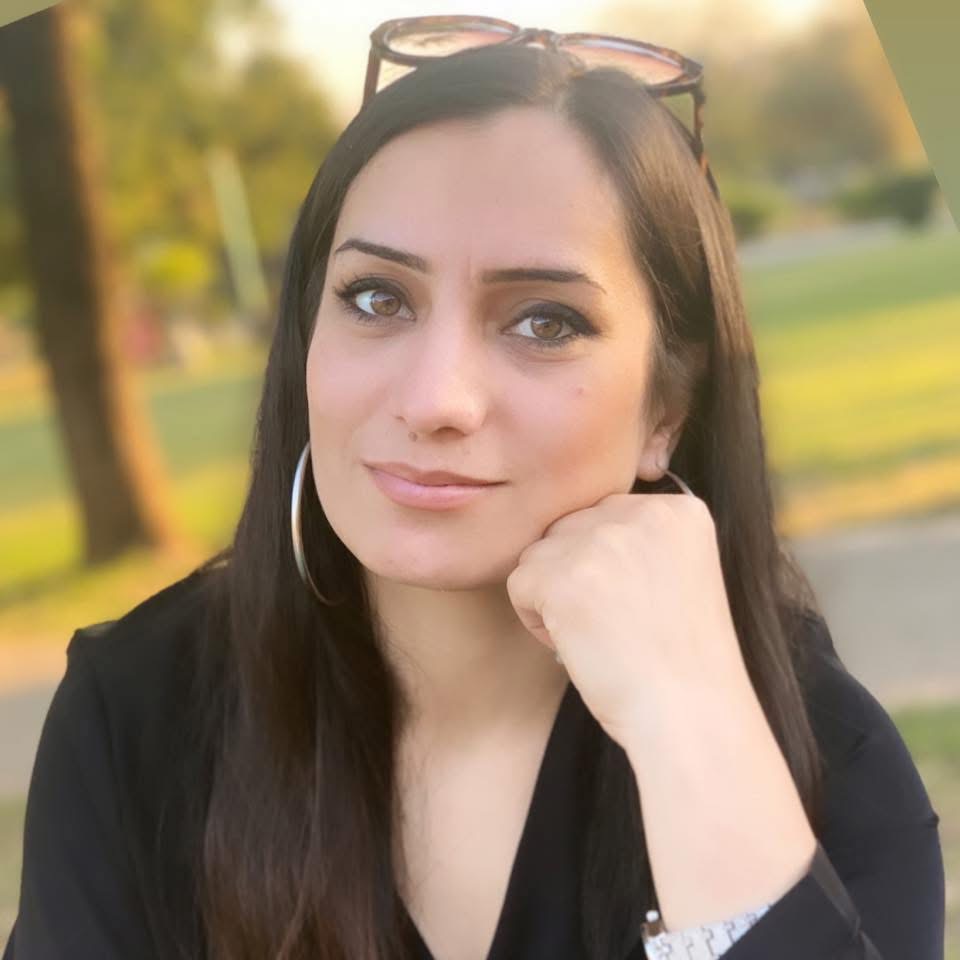
Nina Kawusi is an Afghan cultural mediator and educator based in Brazil. She works
with migrant and refugee communities, focusing on language, integration, and social inclusion, which informs the analysis
presented in this article.